

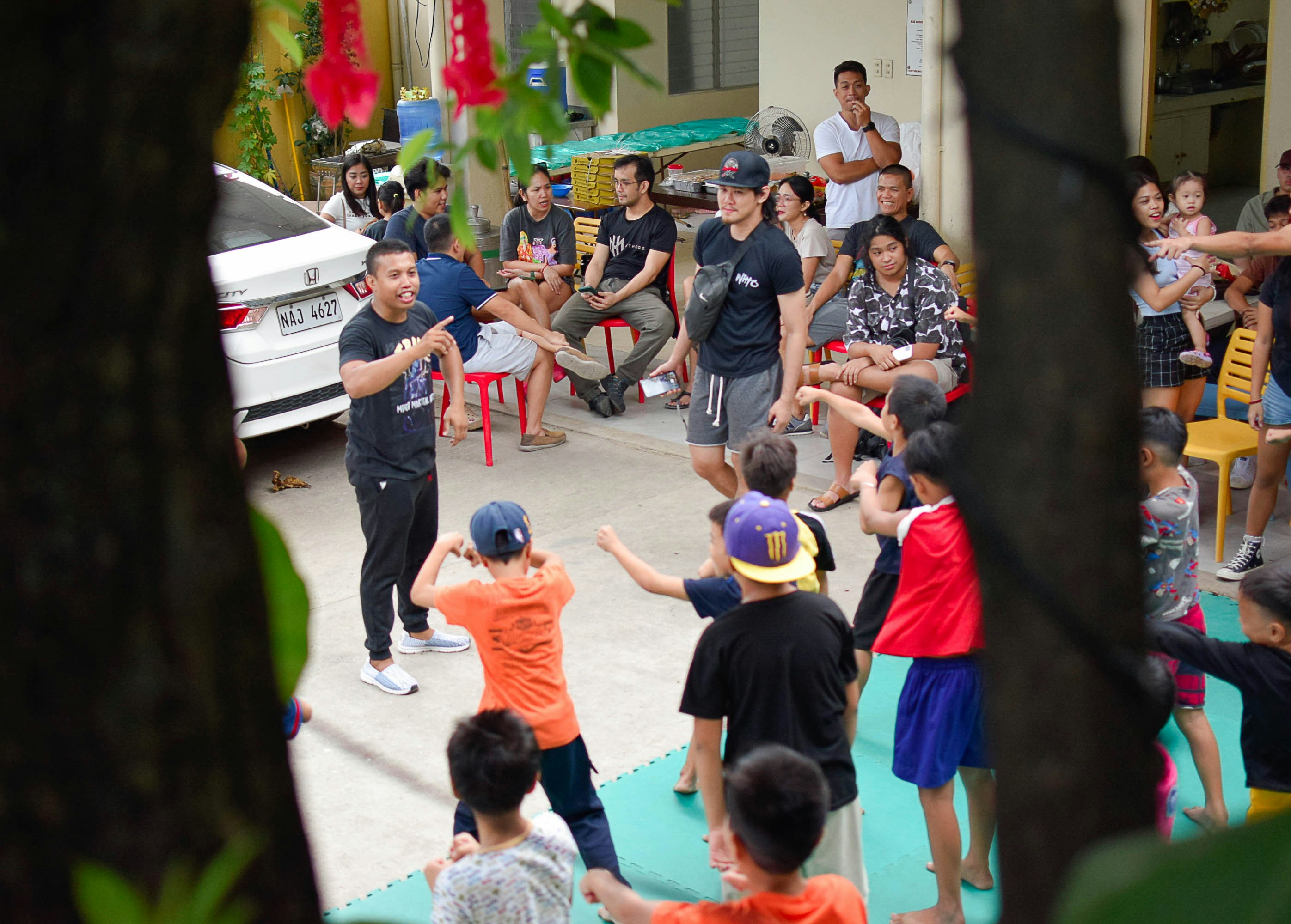
Introduction to Day Programs for Adults with Disabilities
Day programs for adults with disabilities serve a critical role in providing structured environments where individuals can engage in meaningful activities while developing essential life skills. These programs are designed to offer support and resources tailored to the unique needs of each participant, thus promoting their independence and enhancing their quality of life. They often encompass a variety of activities that may include vocational training, recreational opportunities, social interactions, and educational workshops.
The importance of day programs cannot be overstated, as they not only facilitate personal development but also encourage social integration. For many adults with disabilities, participation in these structured activities fosters a sense of belonging and community. Engaging with peers in a supportive setting helps to reduce feelings of isolation and provides valuable opportunities for individuals to build relationships based on shared experiences.
Furthermore, day programs play a vital part in skill development and empowerment. Through various activities, participants can work on important life skills such as communication, problem-solving, and teamwork. These skills are essential for navigating everyday tasks and can greatly influence an individual’s ability to participate in society fully. Day programs often adapt their curriculums to include life skills training that aligns with the personal goals of each participant, ensuring that the programming is not only relevant but also impactful.
In essence, day programs for adults with disabilities are more than just a place to spend time; they are instrumental in nurturing personal growth, enhancing social connections, and providing opportunities for skill acquisition. As these programs evolve, they continue to play a pivotal role in empowering individuals with disabilities, enabling them to lead fulfilling lives by fully engaging with their communities.
What to Expect from a Day Program Experience
Attending a day program for adults with disabilities can be a transformative experience, designed to provide both enrichment and support. Participants can expect a nurturing and inclusive environment where they can thrive. These programs typically emphasize the importance of a supportive community, allowing individuals to connect with peers while pursuing various activities tailored to their interests and abilities.
A significant aspect of day programs is their flexible scheduling. Programs usually offer varied attendance options to accommodate the differing needs of participants and their families. This adaptability ensures that individuals can engage in meaningful activities without being constrained by rigid timeframes. From half-day sessions to full-day programs, the aim is to facilitate participation in a manner that respects each person’s unique rhythm and lifestyle.
The role of experienced staff members cannot be overstated in these programs. Trained professionals support the participants in navigating daily activities, ensuring that they feel dignified and empowered. Staff often possess backgrounds in special education, occupational therapy, or social work, equipping them to understand and respond to individual needs effectively. Their guidance is crucial in fostering a sense of independence while also being attuned to the safety and well-being of each participant.
Moreover, day programs prioritize personalization, understanding that each individual has distinct preferences and goals. Assessments are typically conducted to learn about each participant’s strengths, interests, and areas for development. This targeted approach ensures that individuals can engage in activities that resonate with them, whether through art, music, physical fitness, or educational pursuits. By focusing on the unique attributes of each participant, day programs create personalized experiences that promote personal growth and fulfillment.
Key Activities Offered in Day Programs
Day programs for adults with disabilities are designed to facilitate skill development and enhance the quality of life through various structured activities. These programs typically encompass several key categories that cater to the diverse needs and interests of participants. Below, we discuss some of the major activities commonly offered.
One crucial category is daily living skills training. This component is essential as it equips participants with the necessary skills to manage everyday tasks independently or with minimal support. Training may include activities such as cooking, personal hygiene, laundry, and time management. By developing these skills, adults with disabilities can foster greater autonomy and confidence in their daily lives.
Another important aspect is community participation. In this category, programs engage participants in activities that promote interaction with the community and foster social inclusion. This might involve attending local events, volunteering, or visiting nearby attractions. Such experiences are invaluable as they encourage individuals to build relationships and expand their social networks, which are critical for emotional well-being.
Additionally, social and creative activities play a vital role in day programs. These activities might include art classes, music therapy, drama, or group games. Engaging in creative pursuits not only serves as a form of expression but also helps in developing communication skills, teamwork, and self-esteem among participants.
Lastly, fitness and wellness programs are integral to promoting physical health. Activities may include exercise routines, yoga, or recreational sports, all aimed at improving physical health and overall well-being. Such programs encourage a healthy lifestyle, which is essential for enhancing participants’ quality of life.
In conclusion, the variety of activities offered in day programs plays a significant role in empowering individuals with disabilities. By focusing on daily living skills, community participation, social engagement, and fitness, these programs provide crucial support for personal growth and development.
Building Daily Living Skills
Day programs for adults with disabilities play a pivotal role in fostering essential daily living skills that are crucial for independence and enhancing quality of life. These programs offer structured environments where individuals can engage in various hands-on activities, promoting skill development in areas such as cooking, self-care, and numeracy.
Cooking, for instance, is not just about preparing meals; it encompasses understanding nutrition, following recipes, and using kitchen tools safely. Through cooking classes, participants learn to plan balanced meals, manage a budget for grocery shopping, and practice food safety, all of which are valuable skills that contribute to healthier living. This practical experience not only reinforces learning but also fosters confidence in one’s abilities, thereby encouraging individuals to take charge of their eating habits.
Self-care skills, another crucial area, include personal hygiene, grooming, and dressing independently. Day programs typically incorporate these activities into their curriculum, allowing individuals to practice routines in a supportive setting. These practices not only enhance personal well-being but also boost self-esteem and social participation, essential elements for a fulfilling life. Moreover, the instruction often includes tailoring these skills to each individual’s unique needs, ensuring that the support provided is both effective and relevant.
Numeracy skills are equally important for everyday tasks such as budgeting and time management. Day programs often integrate activities that involve basic arithmetic, understanding money, and following schedules. These skills are fundamental for navigating everyday life, enabling individuals to make informed decisions and advocate for themselves, thus enhancing their overall autonomy.
In conclusion, day programs serve as vital conduits for teaching daily living skills that empower adults with disabilities. By focusing on practical activities such as cooking, self-care, and numeracy, these programs significantly contribute to fostering independence and improving the participants’ quality of life.
Encouraging Community Participation
Community engagement is a cornerstone of effective day programs for adults with disabilities. By actively participating in their local communities, individuals can forge meaningful connections and foster a sense of belonging. Engaging in activities outside of the typical program environment promotes social interactions and helps develop essential life skills. This engagement can take many forms, including utilizing public transportation, visiting local attractions, and participating in community events.
For adults with disabilities, learning to navigate public transportation offers numerous benefits. Not only does it enhance independence, but it also encourages confidence and decision-making skills as participants plan their routes and manage their travel. Day programs can integrate training sessions to familiarize participants with transport schedules, routes, and basic navigation skills, ensuring they feel comfortable when traveling to various community locations.
Visiting local attractions such as museums, parks, and cultural centers provides enriching experiences that allow participants to engage with the wider community. These outings can be tailored to the interests of the individuals, ensuring that they are both enjoyable and educational. Additionally, interactions with community members during these activities can lead to social connections that might not occur within the program setting, further enhancing social skills and fostering friendships.
Community events such as festivals, fairs, or volunteer opportunities also present invaluable chances for participants to engage actively. By participating in these events, individuals can develop connections with diverse groups and contribute positively to their communities. These experiences cultivate a sense of achievement and promote inclusivity, showcasing the talents and abilities of adults with disabilities.
Fostering Creativity through Arts and Games
Day programs for adults with disabilities offer a unique platform to cultivate creativity through various arts and games. These programs often include activities such as painting, music, crafting, and engaging games, which serve as vital outlets for self-expression. In fostering creativity, individuals have the opportunity to explore their talents and interests, while also enhancing their self-esteem.
Artistic activities such as drawing, painting, or sculpting can facilitate emotional expression. Creating art allows participants to communicate feelings that they might struggle to articulate verbally. Moreover, the act of making art has been shown to reduce stress and increase overall happiness among individuals with disabilities, promoting a sense of well-being. By integrating these activities into day programs, participants are not only encouraged to explore their creative potential but also to experience the satisfaction of completing a project.
Furthermore, music plays a significant role in these programs, providing another avenue for creativity. Whether it involves listening to music, playing instruments, or singing, music activities can foster a joyful environment that encourages social interaction. Participating in music can also help improve cognitive skills, enhance memory, and build social networks, as individuals often come together to share in the experience.
Games, both individual and communal, are equally important in fostering creativity. These activities encourage collaboration, problem-solving, and critical thinking, while also offering the chance to develop friendships. Through team-oriented games, participants learn to communicate effectively and engage with peers, creating connections that enhance their social skills.
In essence, embracing arts and games within day programs not only nurtures creative expression but also builds friendships, promoting a sense of community among participants. This multifaceted approach equips individuals with vital social interactions and personal growth, enhancing their overall experience in these programs.
Utilizing Technology and Communication Skills
In the realm of day programs for adults with disabilities, technology plays a critical role in enhancing learning and communication skills. Increasingly, these programs are incorporating various forms of assistive technology to support individuals in achieving greater independence and improved interaction with their peers and caregivers. The use of specialized devices and software is tailored to meet the unique needs of each participant, ensuring that everyone can engage with the learning materials and communicate effectively.
One of the key components of leveraging technology in these programs is the promotion of digital literacy. As the world becomes more reliant on digital platforms for communication, it is essential for participants to develop skills that empower them to navigate these tools confidently. Programs often include training on using smartphones, tablets, and computers, enabling participants to communicate with family and friends through social media, messaging apps, and video calls. By fostering these competencies, individuals are not only able to maintain relationships but also reduce feelings of isolation.
Furthermore, assistive technologies such as speech recognition software, text-to-speech applications, and communication boards can significantly improve a participant’s ability to express themselves. These tools are particularly beneficial for those who may have difficulty with verbal communication. Through the integration of such technologies, day programs create an inclusive environment that values each individual’s voice and facilitates their right to communicate.
Moreover, incorporating technology into daily activities allows for a more engaging learning experience. Interactive software and applications geared towards specific learning goals can motivate participants while providing immediate feedback on their progress. This approach not only enhances learning outcomes but also instills a sense of accomplishment as individuals witness their own growth. In conclusion, the strategic use of technology and a focus on developing communication skills within day programs plays a pivotal role in empowering adults with disabilities to navigate today’s digital landscape more effectively.
Promoting Health and Well-being
Participating in day programs for adults with disabilities offers a multitude of fitness activities aimed at promoting health and well-being. Among these activities, gym sessions and swimming stand out as particularly beneficial. Regular exercise not only aids physical health but also plays a crucial role in enhancing mental well-being, leading to improved overall quality of life.
In day programs, structured gym sessions are designed to meet the specific needs of each individual, fostering an environment where participants can engage in activities suited to their fitness levels. These sessions typically include a variety of endurance, strength, and flexibility exercises. Such targeted physical activity can significantly improve cardiovascular health, strengthen muscles, and increase mobility, which is essential for maintaining independence.
Moreover, engaging in fitness activities promotes mental wellness. Physical exercise is known to release endorphins, commonly referred to as “feel-good” hormones, resulting in reduced feelings of stress and anxiety. For adults with disabilities, these effects can lead to enhanced self-esteem and confidence. Participating in group workouts also fosters social connections, which contribute positively to mental health.
Swimming is another valuable activity offered in many day programs. This low-impact exercise is ideal for individuals with mobility challenges, as it minimizes stress on joints while providing a full-body workout. The buoyancy of water allows participants to exercise with greater ease, helping improve their physical condition. Additionally, swimming offers a calming effect that can relieve anxiety and promote relaxation, further enhancing mental well-being.
In sum, the fitness activities available in day programs are vital for promoting both physical and mental health. By encouraging active participation in gym sessions and swimming, these programs help individuals with disabilities gain strength, improve their mental health, and enhance their overall quality of life.
How to Get Involved with Day Programs
Getting involved with day programs for adults with disabilities can provide individuals with essential support, engagement, and opportunities for socialization and skill-building. To initiate the enrollment process, it is crucial to identify the specific needs and preferences of the individual seeking services. This can include considering their interests, goals, and any specific support requirements they may have. It is advisable to engage in open discussions with the individual and their family members to gather input and preferences.
Next, researching local day programs is an essential step in the process. Numerous organizations and community providers offer a variety of day programs tailored to diverse needs. Online searches using terms like “day programs for adults with disabilities near me” can yield useful results. Additionally, social services agencies, local disability advocacy groups, and health care providers can serve as valuable resources in identifying potential programs that align with the individual’s interests and needs.
When evaluating different day programs, consider key factors such as the program’s structure, staff qualifications, participant-to-staff ratios, and the types of activities offered. It is beneficial to visit programs in person, if possible, to observe the environment and interact with staff and current participants. This firsthand experience can offer insight into the program’s culture and whether it fosters an inclusive, welcoming atmosphere. Furthermore, reviewing testimonials and reaching out to other families for recommendations can provide additional perspectives.
Ultimately, choosing a day program is a critical decision that can significantly impact an individual’s life. It is essential to prioritize options that promote empowerment and independence while ensuring a supportive environment. By taking these thoughtful steps, you can successfully navigate the process of enrolling in a day program that meets the unique needs of the individual in your care.
Skip to content